
Modern european cuisine
Chris Reinecke
Chris Reinecke
|
There was an anaesthetising form of violence to the apparent harmlessness, niceness and tidiness of the petit-bourgeois milieu of the 1950s and 60s. Germany's social climate only a few years after the end of the war encouraged the suppression of individual and collective collusion with National Socialism, which it sought to whitewash through the staging of normality. Wage work, nuclear family and the consumerism now enabled by the economic upturn became central to the democracy installed by the Allies. Reflection on historical guilt or increasing social and interpersonal conflict took second place to the promise of affluence, privacy and conformity. Düsseldorf. Change, changeability. In the mid-1960s the willingness not to accept things as unalterably given but to analyse and redefine them with others is central to Chris Reinecke's artistic work. Proceeding from her own experience, visual perception and critical consciousness are inseparably linked in ... |
|
|

|
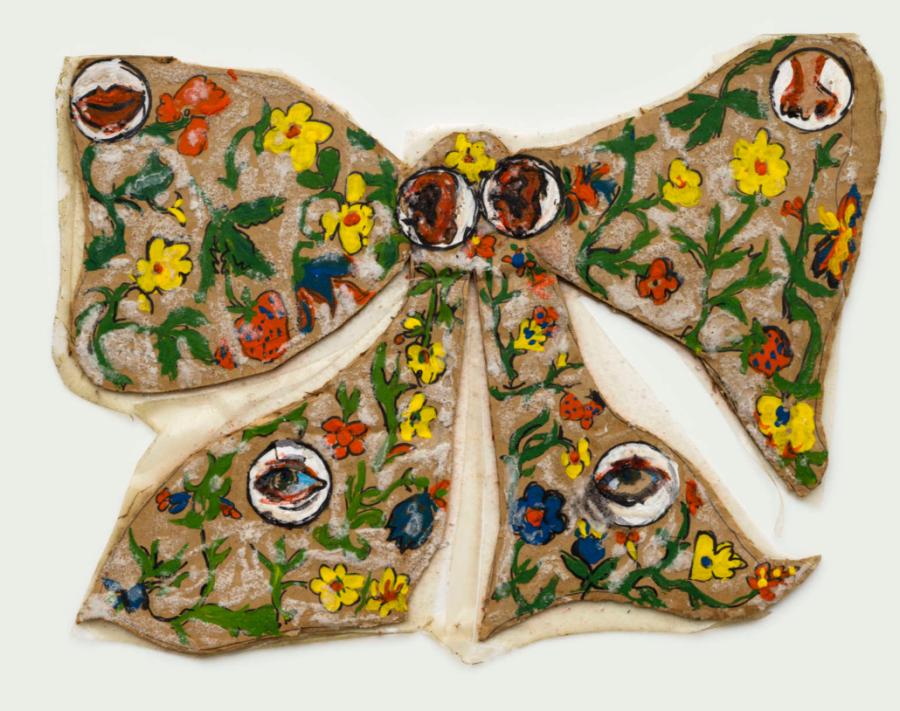
Chris Reinecke, Zuckerschleife, 1968 Acrylfarbe, Zucker auf Pappe, 29 x 38 cm Foto: Roman März